
AI for Manufacturing — Your Production Line Deserves an Intelligent Workforce
VirtueNetz is an AI development company that builds — not just advises on — predictive maintenance, visual inspection, and process automation systems for Saudi manufacturers. Downtime, missed defects, and demand guesswork don’t scale once a production line gets complex. We write the code, train the models, and deploy the systems ourselves, built around Saudi Arabia’s push toward Factories of the Future under NIDLP.
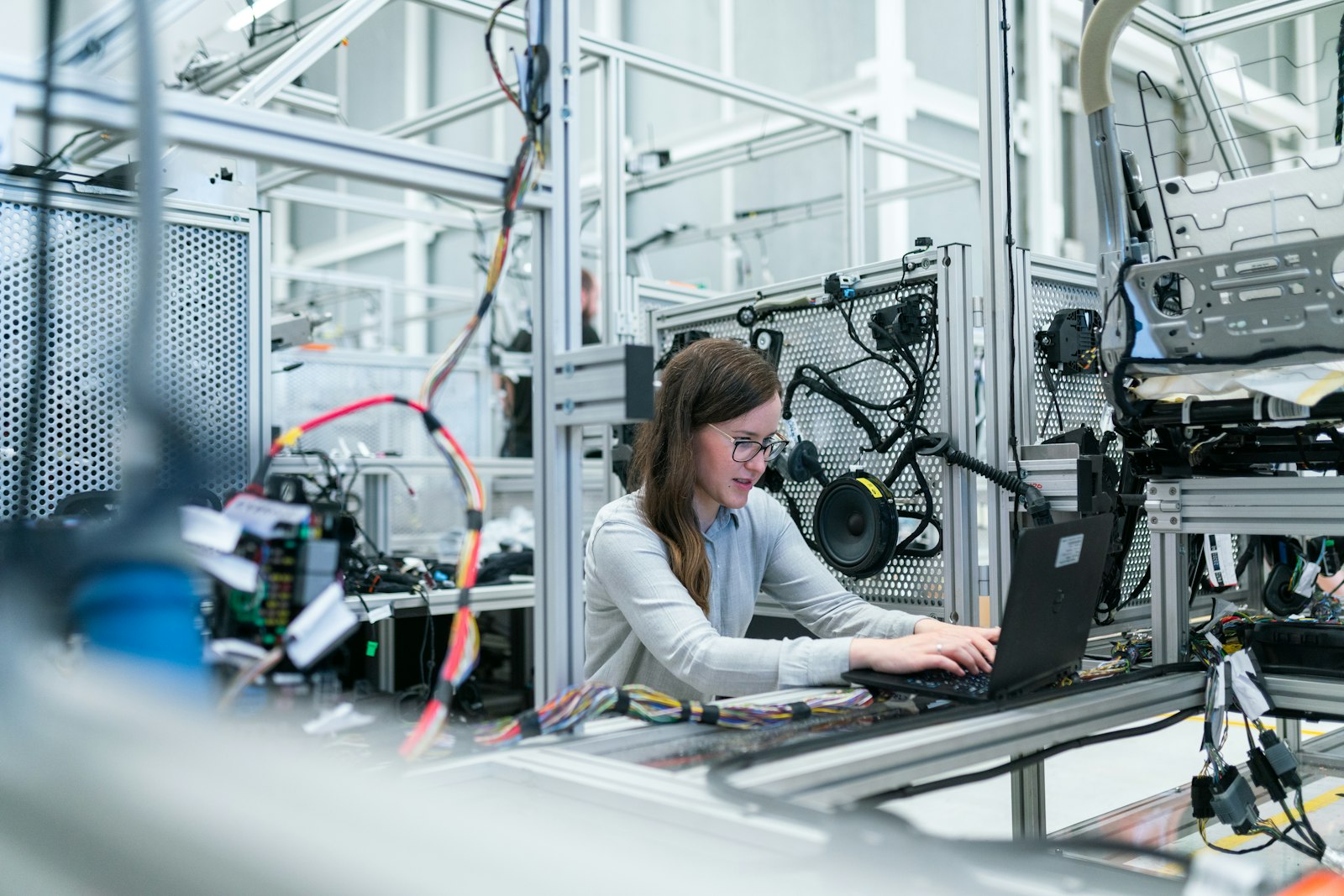
Why AI for Manufacturing, and Why Now
Saudi Arabia is deliberately building toward this
The National Industrial Development and Logistics Program (NIDLP) — one of Vision 2030’s core programs — targets raising the industrial sector’s GDP contribution from around 15% to 20% by 2030, with hundreds of billions of riyals in planned industrial investment. AI-driven production tools are becoming standard equipment for Saudi manufacturers, not an experimental add-on.
This isn't about replacing the production floor team
AI for manufacturing doesn’t remove the operators and engineers who understand the line. It removes the blind spots — a bearing that’s about to fail with no visible warning sign, a defect rate creeping up before anyone notices, a demand shift inventory planning hasn’t caught up to yet.
Four Core AI Systems for the Factory Floor
As a development company, we design, build, and deploy each of these ourselves — not a third-party platform we resell.
AI Predictive Maintenance
Sensor and historical failure-pattern analysis that flags equipment risk before a breakdown stops the line, not after.
AI Visual Inspection
Computer vision that catches defects on the production line at a consistency human inspectors can’t sustain across a full shift.
Smart Equipment Monitoring
Real-time dashboards tracking machine health, output, and anomalies across the floor, not five disconnected control panels.
AI Process Automation
Repetitive production-line decisions and checks automated, freeing floor staff for the judgment calls that actually need a person.
One Pillar, Connected to the Rest of Our AI Practice
This page is the pillar for everything manufacturing-related we build. Each node below is its own dedicated service, with deeper detail than we can cover here.
Inventory Management Software
Raw material & finished goods tracking
AI Supply Chain Management
Demand forecasting & supplier risk
AI Automation Services
Workflow & process automation
AI Agent Development
Autonomous multi-step task agents
Generative AI Development
Custom reporting & documentation AI
AI Development Services (All)
Our complete AI development practice
Built by Engineers Who Work in Production, Not Just Demos
The gap between an impressive AI demo and a system that survives real factory conditions is where most projects fail
We close that gap with custom-trained computer vision models built on your actual product line, sensor fusion combining vibration and temperature data into predictive models, and autonomous agents with clear human-oversight boundaries — not a generic model applied to your equipment and called finished.
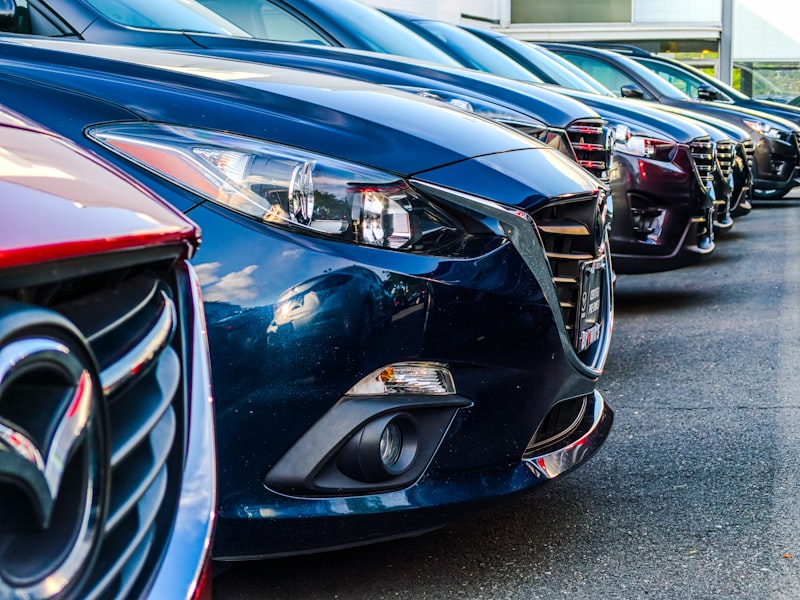
Built for Your Specific Manufacturing Sector
From the Kingdom’s largest industries — oil, gas, and mining — to specialized production lines in food, pharma, and electronics.
Oil, Gas & Petrochemicals
Mining & Minerals
المشروبات والمأكولات
Pharmaceutical
Automotive & Components
الإلكترونيات
Metals & Heavy Manufacturing
Chemicals
From Discovery to a Live System on the Floor
الاستكشاف
We map your production line, current failure/defect patterns, and where decisions are made on data versus experience today.
Data & System Design
Identifying what sensor and historical data exists, and what a computer vision or predictive model needs to be trained on.
Build & Test
Models tested against your actual production data and edge cases, not a generic demo line.
Deploy & Monitor
Production conditions shift — we monitor and retrain models as equipment ages and processes change.
Why Manufacturers Choose VirtueNetz
We build for your specific manufacturing type
A food line’s defect-detection needs differ from an electronics line’s — we design around the sector you’re actually in.
Predictive models trained on your data
Not a generic model retrofitted to your equipment — trained and tested against your actual failure and production history.
We monitor after deployment
A predictive maintenance model that isn’t retrained as equipment ages drifts from reality — we stay involved.
AI for Manufacturing — Frequently Asked Questions
We build for oil, gas and petrochemicals, mining, food and beverage, pharmaceutical, automotive, electronics, metals, and chemicals manufacturing — the underlying AI capability is similar, but the model and compliance requirements are built around your specific sector.
Predictive maintenance analyzes equipment sensor and failure-history data to flag breakdown risk before it happens. Visual inspection uses computer vision to catch product defects on the line in real time. Many manufacturing clients use both together.
Not always, but it helps. We assess what data and infrastructure you have during discovery — some businesses start with visual inspection alone, and add predictive maintenance once sensor data is in place.
AI Supply Chain Management handles demand forecasting and supplier risk across your broader operation. AI for Manufacturing focuses specifically on the production line itself — equipment health and product quality. Many manufacturing clients use both together.
Yes. We connect with existing ERP, MES, and factory management tools rather than requiring you to replace what’s already working.
Yes. We design with SASO compliance requirements and NIDLP’s digital readiness standards in mind from the architecture stage, not addressed after the system is already built.
We build. VirtueNetz is a software and AI development company — our engineers write the code, train the models, and deploy the systems ourselves, rather than advising and outsourcing the build to someone else.
// Get Started
Let's See Where AI Would Actually Help Your Production Line
Tell us what industry you’re in and where downtime or defects cost you the most, and we’ll give you an honest, technical read on whether AI for manufacturing would meaningfully improve your operation.