Introduction
A mobile app needs a skilled team behind it. Your team decides how fast you build, how clean the code is, and how smooth the final product feels. Many businesses struggle because they pick the wrong people or follow a weak hiring process. A strong mobile app development team gives you the people, structure, and workflow you need to launch a stable product. This guide shows you how to build that team with clarity.
Define your product goals
You cannot hire the right people unless you know what you want to build. Clear goals help you avoid guesswork and save budget.
Set these points before hiring.
• Who will use your app
• What core features you need
• What problem your app solves
• The platform you want to support
• Your budget range
• Your launch deadline
• Your preferred tech stack
A clear foundation helps you understand the skills you must look for. It also prevents unnecessary team expansion and reduces project delays.
Essential roles in a mobile app development team
Each role covers a specific part of the development process. You can scale your team up or down based on your goals. These roles form the core of most successful app projects.
Project manager
The project manager keeps everything organized. This person plans tasks, runs meetings, assigns work, tracks deadlines, and maintains communication inside the team. They help you avoid confusion and keep the team focused.
UI UX designer
Your designer creates layouts, screens, colors, icons, and user flow. They convert ideas into a visual structure that users can follow easily. Good design reduces user confusion and increases retention. A clear design system also saves developers time.
Mobile app developers
These are the people who build the product.
iOS developers use Swift.
Android developers use Kotlin.
They write code, build screens, connect features, and follow platform rules. They ensure the app works across different devices and versions.

Backend developer
Most apps need a server. The backend developer creates databases, APIs, security rules, and background functions. They handle login, payments, notifications, and user data. Without a stable backend, even a polished app will fail.
QA tester
The QA tester checks bugs, device issues, flow errors, and performance problems. They test each feature separately and test the app as a whole. A solid QA plan prevents negative reviews and user drop off.
DevOps engineer
This role manages deployment and automation. They set up build pipelines, release versions, and assist with continuous integration. This helps you push updates faster without breaking live versions.
In-house, remote, or outsourced team
Your team model affects cost, speed, and control. Choose the structure that fits your situation.

In-house team
Works well if you need long term development. You can train your team and grow your product with full control. It costs more due to salaries and office needs.
Remote team
Gives you access to global talent. You can hire skilled developers for less cost. You need strong communication rules to keep work aligned.
Outsourced team
Useful when you need speed and a ready team. Costs less than in-house hiring. Works best for fixed scope projects. You must define requirements clearly to avoid misunderstandings.
How to hire app developers
A good developer makes your project faster. A weak hire slows everything down. Follow a simple and consistent hiring method.
Check skills
Match the developer with your tech stack. Ask for experience with similar apps or features.
Review portfolio
Look for apps with clean interfaces, stable load time, and smooth navigation.
Ask technical questions
Test knowledge about architecture, design patterns, version control, testing, and error handling.
Give a paid short test
A small task shows you how they write code, how they structure files, and how they follow instructions.
Check communication
Developers must explain problems in simple words. Weak communication slows down the entire project.
Avoid red flags
• No real portfolio
• No GitHub or code samples
• Slow responses
• Unclear explanations
• Refusal to take a test task
Team structure models
Every app project needs a clear structure. Choose one based on your app size.
Feature based teams
Each small team builds one feature from start to finish. Works well for large projects.
Platform based teams
iOS and Android teams work separately. Good for native apps that need detailed platform control.
Cross functional teams
One mixed team handles design, development, backend, and QA. This is the most common model for small and mid level apps.
Workflow and collaboration setup
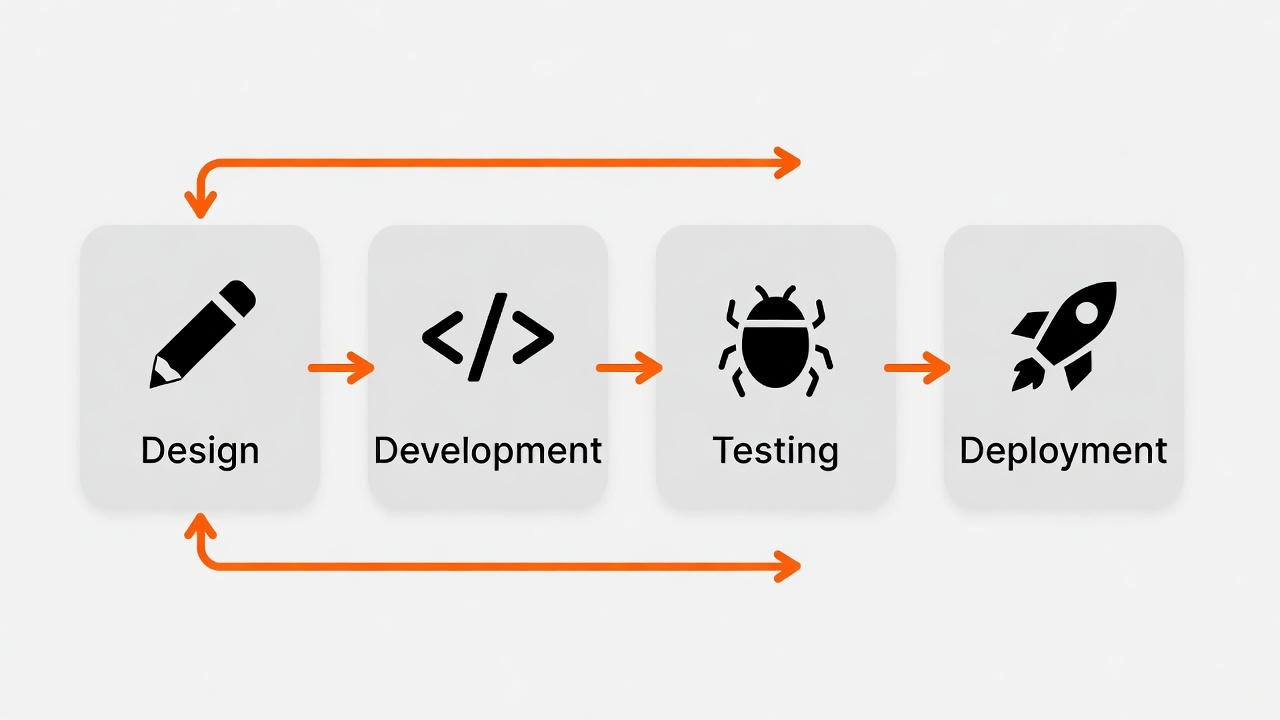
Even a skilled team will fail without a strong workflow. Set these rules before work starts.
Project management
Use a tool to track tasks and timelines. Tools like Trello, Jira, ClickUp, and Asana help you maintain structure.
Communication
Set daily or weekly check in times. Share updates in one place. Avoid scattered channels.
Design system
Create a shared design system. This keeps spacing, colors, fonts, and components consistent. It reduces redesigns and speeds up development.
Code reviews
Schedule code reviews to improve quality and catch errors early.
Sprint planning
Use short development cycles. Two week sprints work well for most teams. This helps you track progress and adjust scope quickly.
Documentation
Document features, flows, APIs, and design rules. Good documentation keeps the team aligned.
Cost of building a mobile app development team
Costs vary by region, skill level, and project size. You can estimate cost by looking at the main roles in your team.
UI UX designer
Medium cost. Depends on experience.
Mobile developers
Usually the highest cost. Skilled native developers cost more.
Backend developer
Cost depends on database complexity and API count.
QA tester
Medium cost. Investment in QA reduces bugs and improves reviews.
DevOps engineer
Specialist role. Adds cost but saves time during deployment.
Platform count
If you build for both iOS and Android, you need more developers. This increases cost.
Feature count
More features need more time and more people.
Common mistakes to avoid
Weak planning and poor team choices cause delays and wasted money. Avoid these mistakes.
No clear scope
A vague scope leads to endless revisions. Define your features early.
No testing plan
Lack of testing creates bugs and performance issues after launch.
Poor communication
Unstructured communication slows progress and creates confusion.
No documentation
Teams waste time asking the same questions when documentation is missing.
Ignoring user feedback
Your app fails when you build features users do not want.
No technical leadership
Teams need a senior developer or architect to guide decisions.
FAQs
How many people do I need for a mobile app development team?
Most small apps need four to six people. Larger apps need eight to ten.
Is it better to hire in-house or outsource?
Choose in-house for long term work. Outsource for fixed scope and faster start.
Do I need separate developers for iOS and Android?
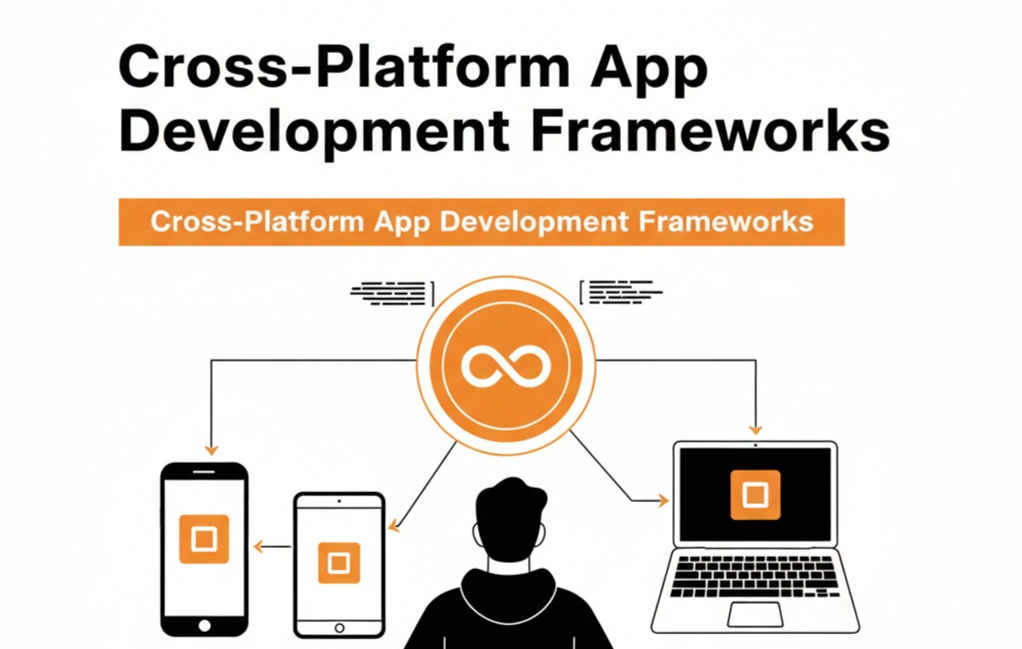
Native apps need separate developers. Cross platform apps may not.
How long does hiring take?
Two to four weeks when you follow a structured process.
Should I hire a full time QA tester?
Yes if your app has many features or frequent updates.
What skills should mobile developers have?
Clean code skills, experience with your chosen language, version control knowledge, and clear communication.
Summary
A strong mobile app development team depends on clear goals, the right roles, and a clean workflow. When you follow a simple and structured hiring process, you build a team that delivers stable, high quality apps. This helps you move faster, reduce errors, and launch a product users can trust.
 ?>
?>
 ?>
?>
 ?>
?>
 ?>
?>
 ?>
?>