If you’re considering launching a mobile experience for your customers, you’ve probably asked yourself this question: Should I build a native app or a progressive web app?
This debate has been around for years, but in 2025 the stakes are higher than ever. Users expect seamless mobile experiences, businesses are under pressure to deliver quickly and affordably, and new technologies like 5G and AI are reshaping what’s possible.
In this guide, we’ll break down the differences between native apps and progressive web apps (PWAs), explore the pros and cons of each, highlight iOS-specific considerations, and help you decide the right approach for your business. Whether you’re an eCommerce store, a startup, or an enterprise, this article will give you a clear roadmap.
What Is a Native App?
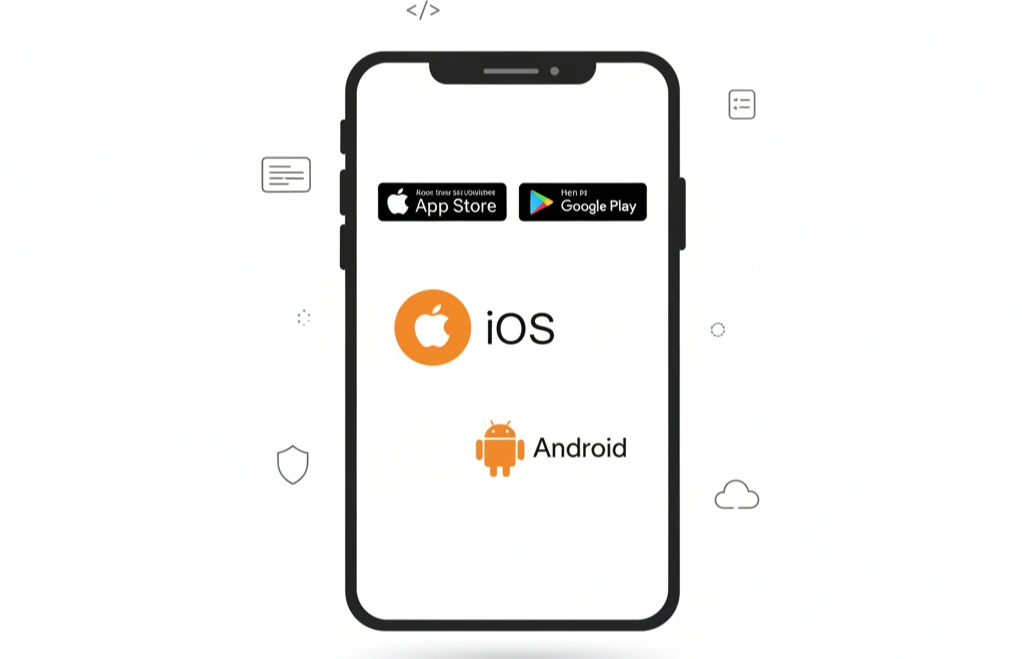
A native app is software developed specifically for one operating system. That means an app built for iOS (using Swift or Objective-C) is different from one built for Android (using Kotlin or Java). You download native apps through app stores like Apple’s App Store or Google Play.
Examples of native apps:
- Instagram (iOS and Android apps built separately)
- Uber (deeply integrated with GPS and payment systems)
- Spotify (optimized for offline music playback)
Key characteristics:
- Installed directly on the device
- Access to hardware features like camera, GPS, accelerometer
- Optimized performance because they’re built for one platform
- Distributed via app stores
Native apps are known for speed, reliability, and deep device integration. But they also come with higher development costs and longer approval cycles.
What Is a Progressive Web App (PWA)?
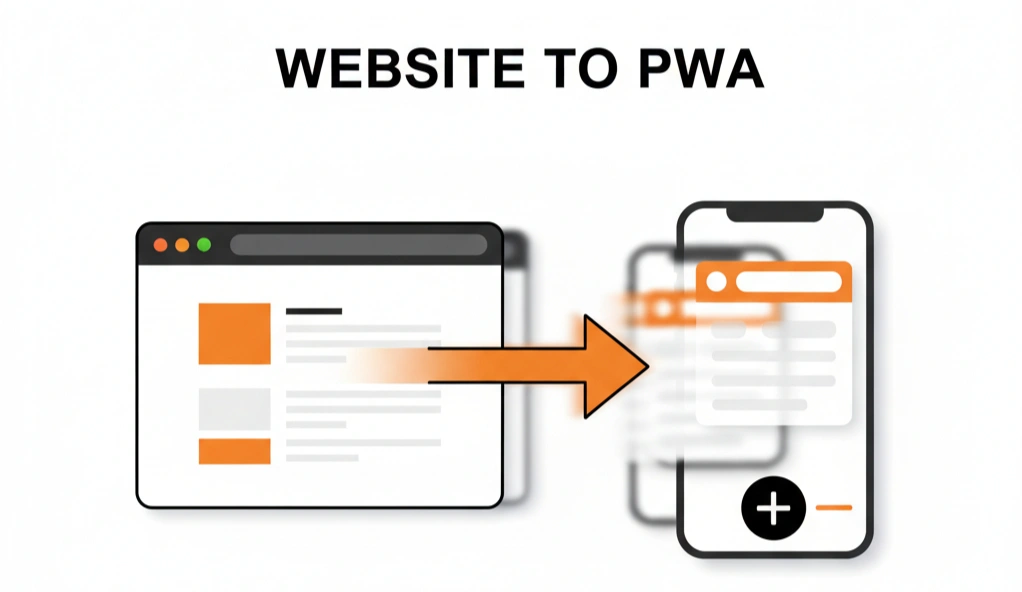
A progressive web app is a website that feels and functions like a mobile app. PWAs are built using web technologies (HTML, CSS, JavaScript) but offer app-like features such as offline support, push notifications, and “install to home screen.”
Examples of progressive web apps:
- Twitter Lite: Loads in under 5 seconds on 3G, cutting data usage by 70%.
- Starbucks PWA: Doubled orders from desktop and made the mobile web experience faster.
- Pinterest PWA: Increased user engagement by 60%.
Key characteristics:
- Works across all devices and browsers
- Can be “installed” without going through app stores
- Runs inside the browser but with app-like features
- Updates automatically without user intervention
For many businesses, PWAs are an affordable way to deliver a seamless mobile experience without building separate apps for iOS and Android.
Progressive Web App vs Native App: The Core Differences
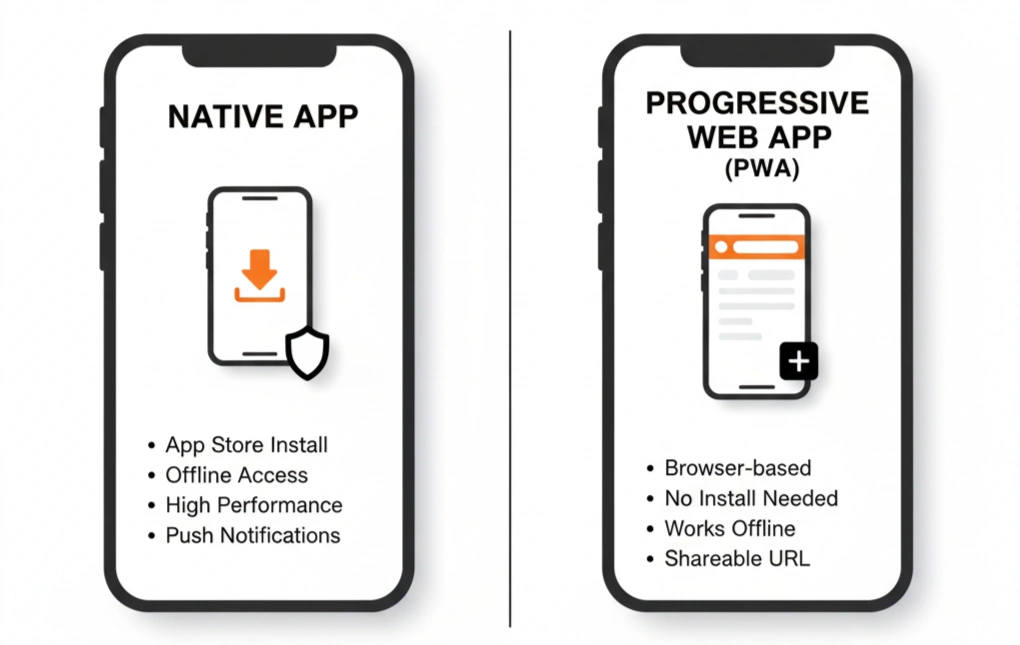
Here’s a quick comparison to help you see how they stack up:
| Feature | Native App | Progressive Web App |
| Platform | iOS or Android specific | Works on all devices & browsers |
| Installation | From app stores | Add to home screen (no store approval) |
| Performance | Best performance | Slightly lower but improving fast |
| Offline Access | Full offline support | Limited but strong offline caching |
| Device Features | Full access (camera, GPS, Bluetooth) | Limited but expanding |
| Cost to Build | Higher (2 platforms = 2 builds) | Lower (single codebase) |
| User Acquisition | Through app stores | Direct via web browser |
This table shows why the debate exists: native apps win on performance and hardware access, while PWAs win on reach, cost, and speed to market.
Native or Web App: Which One Fits Your Goals?
The right choice depends on your business goals. Ask yourself these questions:
- What’s my budget and timeline?
- Native apps are expensive and take longer.
- PWAs are faster and cheaper to launch.
- Who’s my audience?
- If most of your users are on iOS and expect App Store presence, native may be better.
- If you want cross-platform reach, PWA is ideal.
- Do I need advanced features?
- Gaming, AR, VR, or hardware-heavy apps = native.
- Shopping, booking, publishing, or simple tools = PWA.
- How will I monetize?
- If in-app purchases via Apple/Google are crucial, native may be required.
- If you’re driving sales through your own site, PWA works well.
Voice-search style answer: If you’re asking “which is better native app or web app?” the answer is — it depends on your budget, audience, and features. PWAs are cost-effective and cross-platform, while native apps offer the best performance and device integration.
Advantages of Native Apps
- Performance: Optimized for each OS, delivering smooth animations and responsiveness.
- Device Integration: Full access to camera, GPS, Bluetooth, biometrics.
- App Store Presence: Builds trust and visibility.
- User Engagement: Rich push notifications, offline mode, deep linking.
Example: Mobile games like PUBG or Call of Duty Mobile must be native to deliver top-tier graphics and performance.
Advantages of Progressive Web Apps
- Lower Development Costs: One codebase for all devices.
- Instant Updates: No app store approvals needed.
- Offline Support: Service workers allow caching.
- Cross-Platform Reach: Works on desktop, mobile, and tablets.
- SEO Benefits: Indexed by Google, unlike native apps.
Progressive Web Apps on iOS: Limitations and Updates
One of the biggest questions is: Do progressive web apps work on iOS?
The short answer: Yes, but with limitations.
Safari on iOS doesn’t support every PWA feature. For example:
- Limited push notification support (though Apple added some in iOS 16.4).
- No background sync.
- Limited Bluetooth and NFC access.
However, Apple is gradually improving PWA support. In 2025, iOS PWAs are far more capable than before — enough for eCommerce, booking, publishing, and many other industries.
Cost Comparison: Native vs Progressive Web Apps
Native app development costs:
- iOS only: $40,000 – $100,000+
- Android only: $30,000 – $90,000+
- Both platforms: $70,000 – $200,000+
PWA development costs:
- $15,000 – $60,000 depending on complexity.
For businesses with limited budgets, PWAs often deliver 80% of the functionality at less than half the cost.
Future Trends in Mobile Apps
Looking ahead, here’s what will shape the native vs PWA debate:
- 5G adoption will make PWAs even faster.
- AI integration will personalize both native apps and PWAs.
- Super apps (like WeChat) may combine both approaches.
- Improved PWA support on iOS will reduce the gap further.
Frequently Asked Questions:
Is PWA better than native apps?
Not always. PWAs are better for budget, reach, and SEO. Native apps are better for performance, gaming, and advanced features.
Can PWAs work on iOS?
Yes. Safari supports PWAs with some limitations, but Apple is improving support.
Do I need both a native and a web app?
Some businesses benefit from both. For example, offering a PWA for reach and a native app for loyal power users.
Which is cheaper native or PWA?
PWAs are usually cheaper because they use one codebase across devices.
Conclusion
The choice between a native app and a progressive web app isn’t about which technology is better overall — it’s about which one fits your business strategy.
- Choose native if you need high performance, deep device integration, or an App Store presence.
- Choose PWA if you want fast, affordable, cross-platform reach with built-in SEO benefits.
In 2025, many businesses will adopt both approaches: a PWA to maximize reach and a native app for advanced features.
If you’re still unsure, consult a mobile development expert who can map your goals, budget, and audience to the right solution. The future of mobile isn’t about “native vs PWA” — it’s about choosing the tool that empowers your business to grow.
 ?>
?>
 ?>
?>
 ?>
?>
 ?>
?>
 ?>
?>