The world is moving at the speed of technology, and in the middle of this change is the smartphone. From ordering food and booking rides to managing finances and even healthcare, people rely on mobile apps every single day. This shift has made mobile engineers one of the most sought-after professionals in the tech industry.
But why exactly are they in such high demand? And what role do they play in B2B mobile app development and the future of mobile application technology trends?
The Mobile-First World
Mobile phones are no longer just communication tools. They are wallets, workstations, entertainment centers, and shopping malls in one.
- 6.8 billion people use smartphones globally.
- More than 60% of all web traffic comes from mobile devices.
- Mobile apps generate over $500 billion in revenue worldwide .
This mobile-first lifestyle has forced businesses to rethink their digital strategy. Instead of only having a website, companies now need apps that are fast, reliable, and engaging.
Who makes this possible? Mobile engineers
Why Businesses Hire Mobile Engineers
There are plenty of pre-built mobile apps in the market. But every business is unique, and ready-made solutions often fail to deliver the exact features they need.
That’s where mobile engineers come in. They help businesses by:
- Building custom apps that reflect brand identity.
- Ensuring smooth performance across iOS and Android.
- Adding advanced features like AI chatbots, mobile payments, and location-based services.
- Designing user-friendly experiences that keep customers coming back.
For companies, investing in mobile engineering is not just about technology—it’s about staying competitive.
Example: A retail brand with its own mobile shopping app sees 30% more repeat customers compared to one that only uses a website.
The Boom in B2B Mobile App Development
Most people think of consumer apps like Instagram or Uber when they hear “mobile app.” But the real growth is happening in B2B mobile app development.
Businesses are building apps for:
- Employee collaboration (project management tools, communication apps).
- Field operations (apps for technicians, delivery drivers, or healthcare workers).
- Customer relationship management (CRM) with mobile access.
- Supply chain management with real-time tracking.
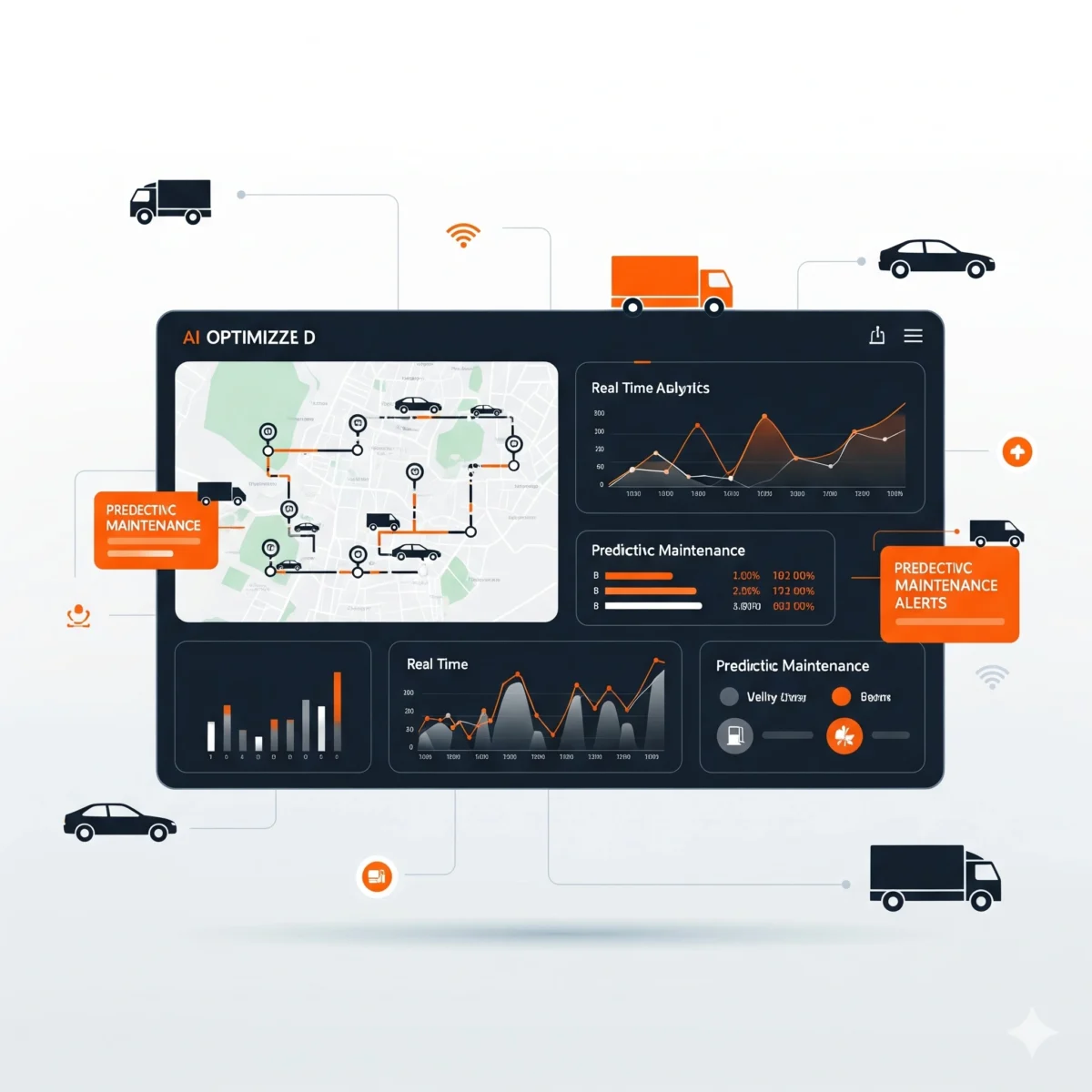
For example, logistics companies use custom apps to optimize routes, track vehicles, and improve delivery times. Manufacturing companies rely on mobile apps for monitoring inventory in real time.
This demand is fueling a huge need for skilled engineers who can understand business processes and translate them into functional apps.
Check out mobile app development services to see how businesses can use apps to save time and money.
Key Mobile Application Development Trends in 2025
Mobile engineers are not just writing code—they are building the future. Here are the top mobile application technology trends shaping demand today:
Artificial Intelligence (AI) and Machine Learning (ML)
Apps are getting smarter. From personalized shopping recommendations to voice assistants like Siri, AI and ML are becoming standard. Engineers skilled in AI-powered features are highly valuable.
5G and Faster Networks
5G technology makes apps faster and more responsive. This enables AR/VR apps, real-time multiplayer games, and high-quality video streaming. Engineers who know how to optimize apps for 5G are in demand.
Cross-Platform Development
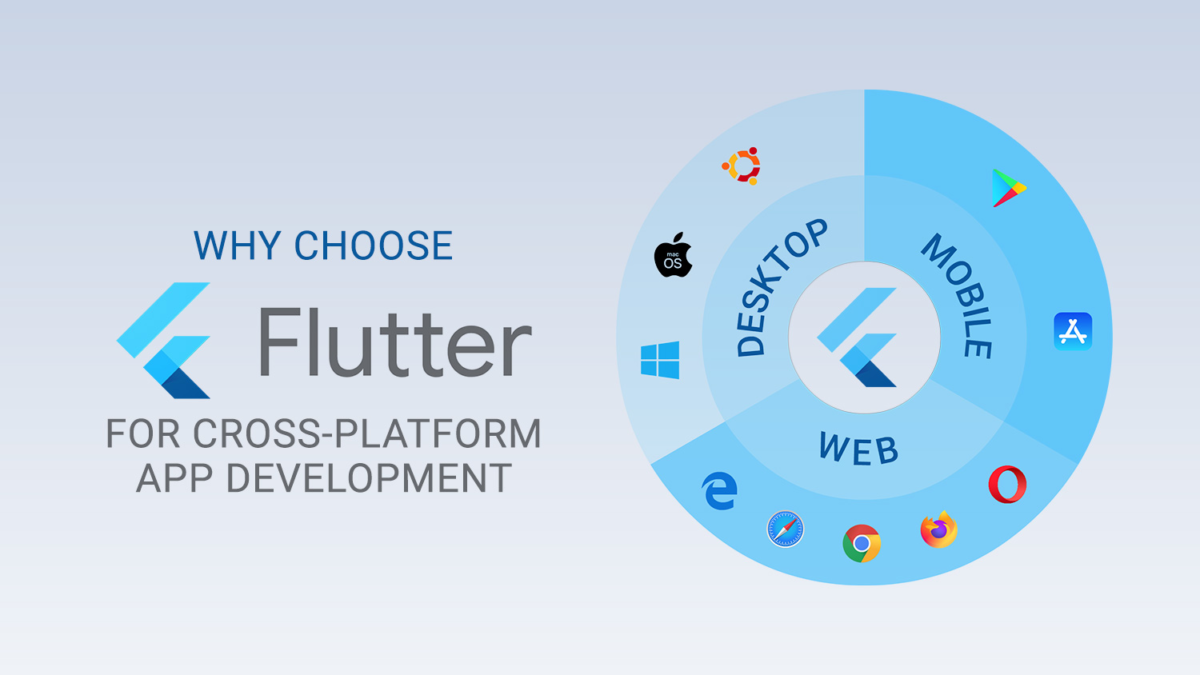
Companies want apps for both iOS and Android but don’t want to double their budgets. Tools like Flutter and React Native let engineers build apps for both platforms with a single codebase.
Mobile Security
As more sensitive data is stored in apps, security is critical. Engineers skilled in data encryption, secure authentication, and GDPR compliance are especially valuable.
Integration with Wearables and IoT
Smartwatches, fitness trackers, and IoT devices are creating new opportunities. Mobile engineers who understand these ecosystems are ahead of the curve.
The Skills That Make Mobile Engineers Valuable
The reason mobile engineers are in high demand is not just the number of apps being developed—it’s also the specialized skills required:
- Strong knowledge of iOS (Swift) and Android (Kotlin/Java).
- Cross-platform frameworks (Flutter, React Native, Xamarin).
- UI/UX design skills to build apps people actually enjoy using.
- API integration to connect apps with other systems.
- Database and backend knowledge to handle large amounts of data.
- Security best practices to protect users.
Not every developer has this combination, which makes skilled engineers rare and in demand.
The Skill Gap and Shortage
There are millions of developers worldwide, but only a fraction specialize in mobile. Even fewer keep up with the latest mobile technology trends.
- Many developers focus only on web development.
- Some know iOS but not Android, or vice versa.
- Cross-platform skills are still limited in the market.
This gap means businesses are competing for a small pool of talent, which drives up demand and salaries.
According to Glassdoor, the average salary for a mobile engineer in the US is $120,000 per year, with top talent earning far more.
Industries Driving Mobile Engineer Demand
The demand isn’t limited to tech companies. Mobile engineers are needed across industries, including:
- Finance & Banking – secure mobile payment apps.
- Healthcare – telemedicine and patient management apps.
- E-commerce & Retail – shopping apps with AI-driven recommendations.
- Transportation & Logistics – real-time tracking apps.
- Education – e-learning and student engagement apps.
Each industry has unique needs, and businesses rely on mobile engineers to build custom solutions.
The Future Outlook: Will Demand Keep Rising?
Some worry that AI will replace developers, but the reality is different. AI can speed up coding tasks, but businesses still need engineers who:
- Understand customer needs.
- Design smooth user experiences.
- Ensure apps meet security and compliance standards.
In fact, as technology gets more advanced, the need for skilled mobile engineers will only increase.
Should Businesses Build or Outsource?
Another question businesses face is whether to hire in-house engineers or outsource app development.
- In-house gives full control but is expensive.
- Outsourcing (to companies like VirtueNetz) reduces cost while providing access to experienced teams.
For many small and medium businesses, outsourcing is the smarter choice.
Final Thoughts
So, why are mobile engineers in high demand?
Because they are the backbone of the mobile-first world. Businesses need them to create apps that:
- Win customers.
- Streamline operations.
- Stay ahead of technology trends.
From B2B mobile app development to AI-powered consumer apps, the role of mobile engineers will only grow in importance.
If your business is ready to build an app, don’t wait until the competition takes the lead. Contact VirtueNetz today and let’s design a mobile solution that works for you.
 ?>
?>
 ?>
?>
 ?>
?>
 ?>
?>
 ?>
?>