The real estate industry has undergone a massive digital transformation in the last decade. Today, buyers, sellers, and agents rely on apps more than ever before to search, compare, and close deals. But building a real estate app that actually works, that users love and return to—isn’t as simple as just listing properties. It takes strategy, smart technology choices, and a partner that knows the market inside and out.
This guide will uncover the real estate app development secrets that successful businesses use, blending practical insights with industry trends. By the end, you’ll understand what it takes to build an app that stands out and delivers real value.
Why Invest in a Real Estate App?
The real estate market thrives on accessibility and speed. People want instant access to property information, virtual tours, and direct communication with agents. Apps deliver all of this in one place. A well-built app can:
-
Expand your reach to mobile-first customers
-
Create a direct communication channel with clients
-
Reduce reliance on third-party listing platforms
-
Boost brand recognition and loyalty
-
Generate revenue through ads, premium listings, or subscriptions
In short: a real estate app isn’t optional anymore. It’s a competitive edge.
Step 1: Define Your Vision Early
Before a single line of code is written, you need clarity on your app’s purpose. Is it built for property buyers, renters, agents, or all three? Do you want to focus on residential, commercial, or short-term rentals?
The discovery phase should include:
-
Competitor research: Study leading apps like Zillow, Apartments.com, and StreetEasy.
-
Market gap analysis: What features are missing in your region or niche?
-
Monetization model: Will you charge agents, users, or both?
This upfront planning ensures your app isn’t just another listing tool but a solution that solves real user problems.
Step 2: Build With the Right Technology
The foundation of a great real estate app lies in its tech stack. Choosing the right approach depends on your goals:
-
Native apps (iOS/Android): Best for performance and rich user experience.
-
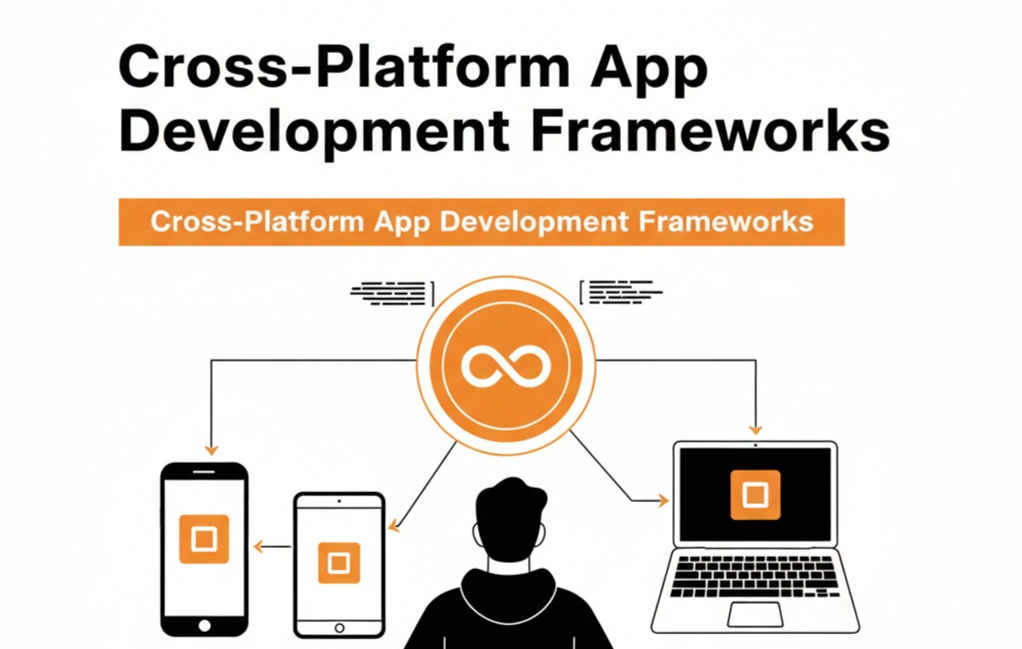
Cross-platform frameworks: Cost-effective and faster to market.
-
Progressive web apps (PWAs): Lightweight, accessible from browsers, no installation needed.
At VirtueNetz, the team helps businesses decide what fits their strategy. If you’re exploring partners, their mobile app development services offer exactly this kind of tailored guidance.
Step 3: Focus on Features That Matter
A successful real estate app isn’t defined by how many features it has—but by how useful those features are. Here are must-haves:
-
Advanced property search with filters for price, size, amenities, and location.
-
Interactive maps that display schools, hospitals, commute times, and neighborhoods.
-
Virtual tours and 3D walkthroughs to save time for buyers.
-
Agent and user profiles to build credibility.
-
Messaging and scheduling tools for direct communication.
-
Push notifications to alert users about new listings or price drops.
Beyond the basics, trends like AI-powered property recommendations and blockchain for secure transactions are gaining traction.
Step 4: Prioritize UI/UX Design
The real estate market is highly visual. If your app looks cluttered or loads slowly, users won’t stay. Prioritize:
-
Clean, image-first layouts
-
Intuitive navigation
-
Smooth animations and transitions
-
Accessibility for all users
A strong design isn’t just aesthetic—it builds trust and increases conversions.
Step 5: Ensure Scalability and Security
Real estate apps deal with sensitive user data and large volumes of listings. That means security and scalability are critical.
-
Backend architecture should handle peak traffic during property launches.
-
APIs must integrate seamlessly with MLS databases or third-party tools.
-
Security protocols like encryption and multi-factor authentication protect user data.
This is why many businesses turn to specialists like VirtueNetz for Android app development services that emphasize secure, scalable solutions.
Step 6: Test Before You Launch
Testing is often underestimated, but it’s the difference between an app that frustrates users and one that delights them. Essential testing includes:
-
Functional testing (do all features work properly?)
-
Performance testing (is the app fast and responsive?)
-
Usability testing (can users navigate easily?)
-
Security testing (are data and payments protected?)
The goal is to launch an app that feels polished from day one.
Step 7: Learn From Top Real Estate Apps
Let’s look at some examples:
-
StreetEasy: Perfect for hyper-local search in New York City.
-
Homesnap: Lets agents and users collaborate seamlessly.
-
Apartments.com: Integrates maps, 3D tours, and commute planning.
-
Realestate.com.au: Known for smart push notifications that match user browsing habits.
Studying what these apps do well—and where they fall short—can give your project a head start.
Step 8: Understand Costs and Timelines
Real estate app development costs vary depending on features and complexity:
-
Basic app with essential features: $25,000 – $50,000
-
Mid-level app with customization: $60,000 – $100,000
-
Advanced app with AI, AR/VR, and integrations: $120,000 – $300,000+
Timelines can range from 3 months for a simple build to 9–12 months for complex solutions. If you’re considering scaling in competitive markets, VirtueNetz also offers tailored Android app development solutions that align with both budget and growth goals.
Step 9: Post-Launch Support Matters
Launching your app is only the beginning. Continuous updates, bug fixes, and feature enhancements keep users engaged. VirtueNetz provides long-term support so your app evolves as the market does.
This ensures your investment stays relevant, useful, and profitable.
Final Thoughts
Building a real estate app in 2025 is about much more than coding. It requires a strategy that blends market research, smart design, secure development, and ongoing support. By focusing on the steps outlined above, you can create an app that delivers value not just at launch, but for years to come.
If you’re planning to bring your vision to life, partner with a team that understands the nuances of real estate technology. VirtueNetz offers end-to-end expertise—from mobile app development services to Android development solutions—that can help you design, build, and scale your next big idea.
FAQs
1. Why should a business invest in real estate app development?
A real estate app helps you reach a mobile-first audience, build direct connections with clients, and reduce dependency on third-party listing sites. It also creates new revenue opportunities through ads, featured listings, or subscription models.
2. What are the must-have features of a real estate mobile app?
Key features include property search with advanced filters, interactive maps, photo and video galleries, virtual tours, in-app messaging, scheduling tools, push notifications, and secure payment options. Adding AI recommendations or AR/VR walkthroughs can further improve user engagement.
3. How much does it cost to develop a real estate app?
The cost varies depending on complexity and features:
-
Basic app: $25,000 – $50,000
-
Mid-range app: $60,000 – $100,000
-
Advanced app with AI or AR/VR: $120,000 – $300,000+
Working with an experienced mobile app development partner helps you optimize cost and quality.
4. Which technology stack is best for real estate app development?
Most real estate apps use a combination of:
-
Frontend: React Native, Flutter, or Swift/Kotlin for native builds
-
Backend: Node.js, Python, or Java
-
Database: MySQL, PostgreSQL, or MongoDB
-
Integrations: MLS databases, payment gateways, and APIs for maps or property listings
5. How long does it take to build a real estate app?
Timelines depend on scope:
-
MVP with core features: 3–4 months
-
Mid-level project: 5–7 months
-
Enterprise-grade app: 9–12 months
 ?>
?>
 ?>
?>
 ?>
?>
 ?>
?>
 ?>
?>