Artificial Intelligence (AI) is no longer a futuristic concept. It’s here, transforming how businesses operate, make decisions, and deliver value to customers. From automating routine tasks to predicting market trends, AI has become a core driver of growth and innovation.
In this guide, you’ll learn how AI is used in business, why it matters, and the strategies you can adopt to stay competitive.
What Is Artificial Intelligence in Business?
Artificial Intelligence in business refers to using AI technologies like machine learning, natural language processing (NLP), and computer vision to improve processes, decision-making, and customer experiences.
AI doesn’t just help businesses work faster — it helps them work smarter. For example:
- Netflix uses AI to recommend movies and shows based on your viewing history.
- Amazon uses AI to manage inventory and predict customer buying patterns.
- Coca-Cola uses AI to design marketing campaigns based on consumer behavior data. For a detailed look at how AI drives innovation across departments, explore our guide on Integrating AI Into Your Website to learn how digital platforms can leverage automation and intelligence.
Why It Matters
- Better decision-making: AI processes large amounts of data to deliver actionable insights.
- Cost reduction: Automation helps cut operational costs.
- Improved customer experience: AI-driven personalization builds stronger relationships.
- Competitive edge: Businesses that leverage AI grow faster than those that don’t.
If you’re exploring modern integration methods, our article on Generative AI Integration Process explains how to use generative AI to automate content creation and streamline workflows.
Key AI in Business Solutions

Here are some practical AI business solutions companies are implementing today:
1. AI-Powered Chatbots and Virtual Assistants
AI chatbots help companies deliver instant customer support while reducing operational load. They handle queries 24/7 and maintain consistent communication.
Example: ChatGPT-based bots managing customer interactions round the clock.
To understand how data can improve chatbot performance, visit AI Chatbot Data Insights for a closer look at how analytics enhance user experience.
If your company depends on online support, review AI Customer Service Challenges to identify common issues businesses face and how to solve them.
2. Predictive Analytics for Sales and Marketing
- Identify trends and predict customer behavior.
- Optimize ad spend and conversion rates.
- Example: HubSpot AI tools for lead scoring and campaign optimization.
3. AI in Supply Chain Management
AI forecasts demand, manages logistics, and optimizes delivery routes.
Example: UPS uses AI for smarter fleet operations.
For businesses managing vehicles or logistics, AI in Fleet Management shows how predictive systems reduce maintenance costs, improve routing, and save fuel.
4. Fraud Detection and Risk Management
- Banks and financial institutions use AI to detect unusual transactions.
- Reduce risks with real-time monitoring.
See how the financial industry is leveraging AI in our post on AI in Financial Services.
5. AI in HR and Recruitment
AI improves IT operations through automation, monitoring, and predictive maintenance.
Our detailed blog on AI in IT Service Management explains how businesses are minimizing downtime, improving ticket resolution, and strengthening IT performance with AI.
Traditional Business vs. AI-Driven Business
|
Aspect |
Traditional Approach | AI-Driven Approach |
|
Decision-Making |
Based on human intuition |
Data-driven and predictive |
|
Customer Service |
Manual support via phone/email |
AI chatbots, 24/7 support |
|
Marketing |
Generic campaigns |
Hyper-personalized campaigns |
|
Operations |
Manual, time-intensive tasks |
Automated and optimized |
| Risk Management | Reactive approach |
Proactive, AI-powered alerts |
How to Build an AI Business Strategy
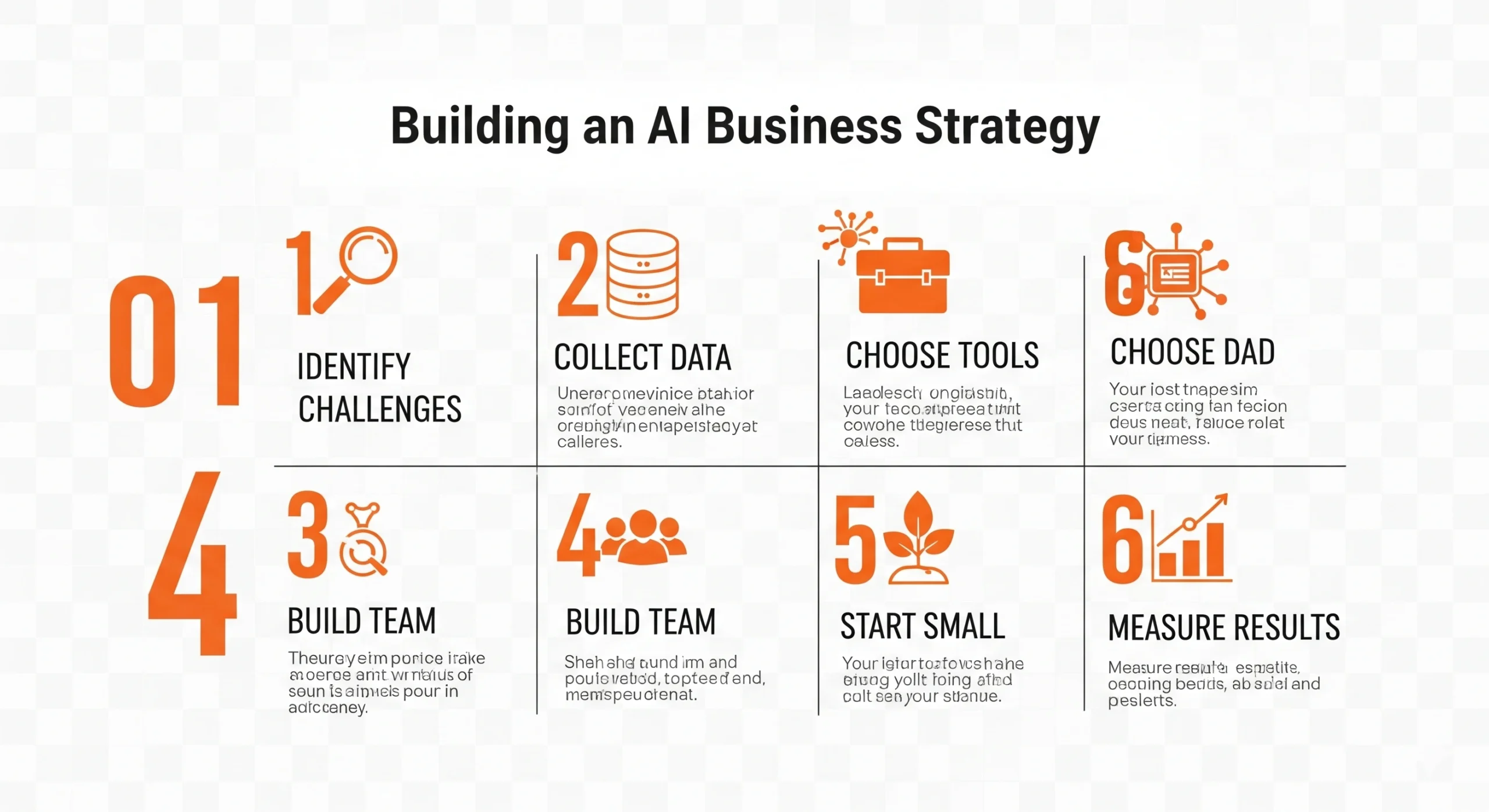
Creating a successful AI business strategy requires a clear plan. Here’s a step-by-step guide:
Step 1: Identify Business Challenges
Focus on areas where AI can create measurable value, such as reducing costs, boosting sales, or improving customer experience.
Step 2: Collect and Organize Data
AI systems need clean, structured data to work effectively. Start building a central database for your company.
Step 3: Choose the Right AI Tools and Platforms
Some popular tools include:
- Google Cloud AI for scalable solutions
- Microsoft Azure AI for enterprise-grade systems
- IBM Watson for advanced analytics
Step 4: Build a Skilled Team
Hire or train employees to work with AI systems, including data scientists and AI engineers.
Step 5: Start Small, Then Scale
Test AI solutions in one department before rolling them out company-wide.
Step 6: Measure and Improve
Track performance metrics to ensure AI delivers ROI. Adjust strategies based on results.
Real-World Business AI Use Cases
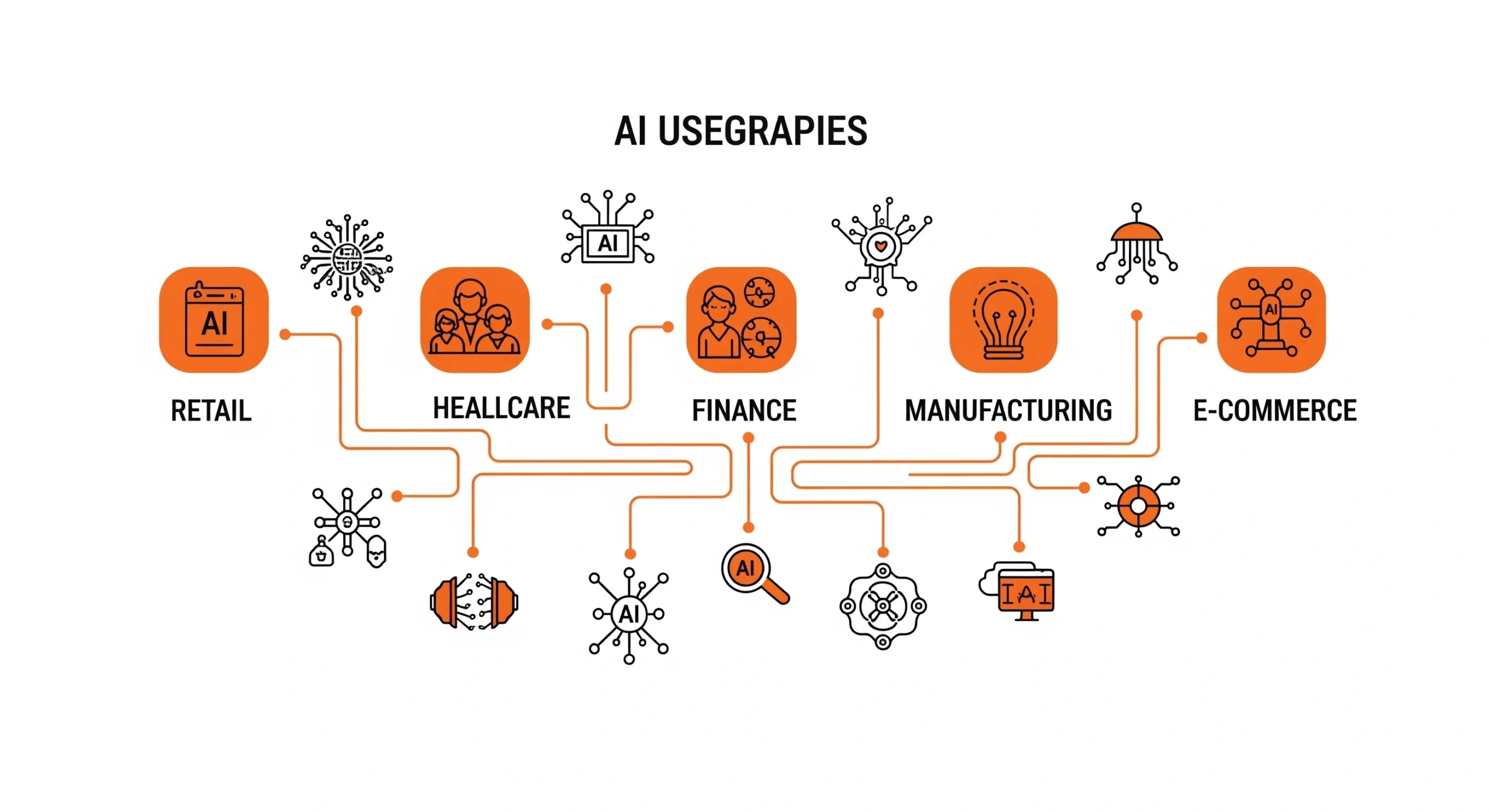
Here are some inspiring examples of business AI use cases across industries:
- Retail: AI-driven product recommendations boost sales and customer satisfaction.
- Healthcare: AI algorithms analyze medical images to assist doctors with diagnoses.
- Finance: AI-powered risk analysis reduces fraud and improves compliance.
- Manufacturing: Predictive maintenance prevents costly machine breakdowns.
- E-commerce: AI tools like personalized search engines increase conversions.
To learn how AI is transforming entire industries, see our detailed guide on Artificial Intelligence in Business and explore related sector insights across logistics, finance, IT, and marketing.
Best Practices for Implementing AI in Business
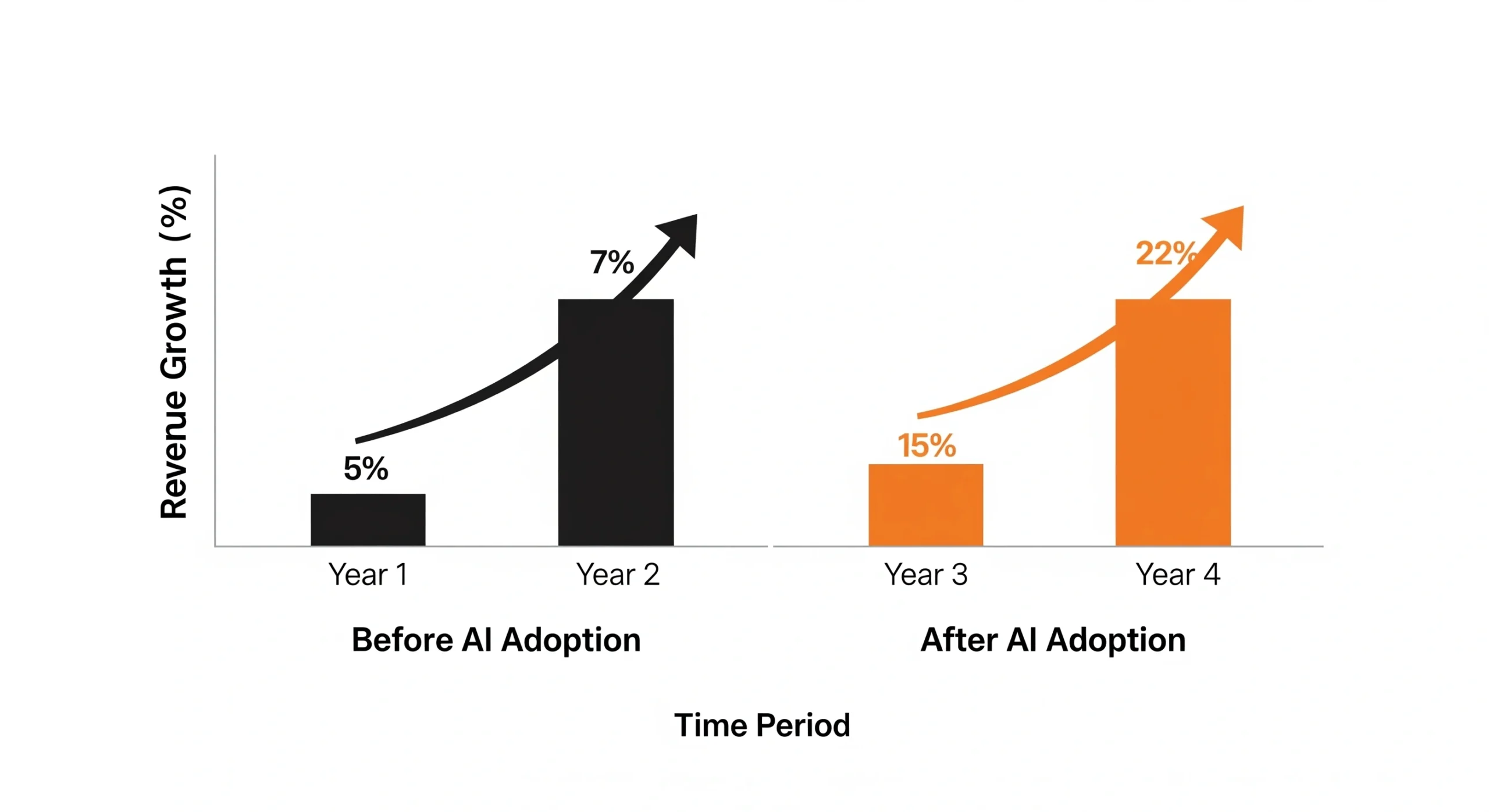
To maximize success, follow these proven practices:
• Set clear goals before launching AI projects.
• Protect data privacy and comply with regulations like GDPR and CCPA.
• Train teams to understand and manage AI systems.
• Choose solutions that scale with your business.
• Continuously test and refine performance.
If you want to understand specific integration challenges or optimization strategies, refer to AI Customer Service Challenges for real examples and practical solutions.
FAQs about Artificial Intelligence in Business
1. How is AI used in business today?
AI is used for customer service automation, predictive analytics, fraud detection, supply chain optimization, and personalized marketing.
2. Is AI expensive for small businesses?
Not necessarily. Many affordable AI tools like HubSpot, Zoho, and ChatGPT make it accessible for startups and small companies.
3. How do I start implementing AI in my company?
Start by identifying a problem, collecting relevant data, and using entry-level AI tools. Then gradually expand to more complex solutions.
4. What industries benefit most from AI?
Healthcare, finance, retail, manufacturing, and logistics are leading industries adopting AI.
Conclusion: Embrace AI to Future-Proof Your Business
Artificial Intelligence is reshaping the business landscape. Whether you want to improve customer service, optimize operations, or drive sales, AI offers endless opportunities.
The key is to start small, learn continuously, and scale strategically. Businesses that integrate AI today will lead the market tomorrow.
Ready to transform your business with AI?
Explore our solutions at VirtueNetz and start building a strong AI strategy today.
 ?>
?>
 ?>
?>
 ?>
?>
 ?>
?>
 ?>
?>