Fleet management has always been a challenging task. From monitoring vehicles and drivers to controlling fuel costs and ensuring timely deliveries, logistics managers have a lot to handle. Traditionally, these processes relied on manual tracking and human decisions, which often led to delays, errors, and higher operational costs.
Today, AI in fleet management is changing the game. Artificial intelligence helps companies optimize routes, predict maintenance issues, monitor driver behavior, and improve decision-making in real time. Whether you run a small delivery business or manage a large transportation network, AI can bring efficiency, safety, and cost savings to your operations.
In this article, we’ll explore how AI is revolutionizing logistics and transportation, real-world use cases, and practical ways to integrate fleet optimization AI into your business.
What is AI in Fleet Management?
AI in fleet management refers to the use of artificial intelligence technologies like machine learning, predictive analytics, and computer vision to automate and optimize fleet-related tasks.
Instead of relying solely on human judgment, AI systems analyze large volumes of data — such as traffic patterns, vehicle performance, and delivery schedules — to provide actionable insights.
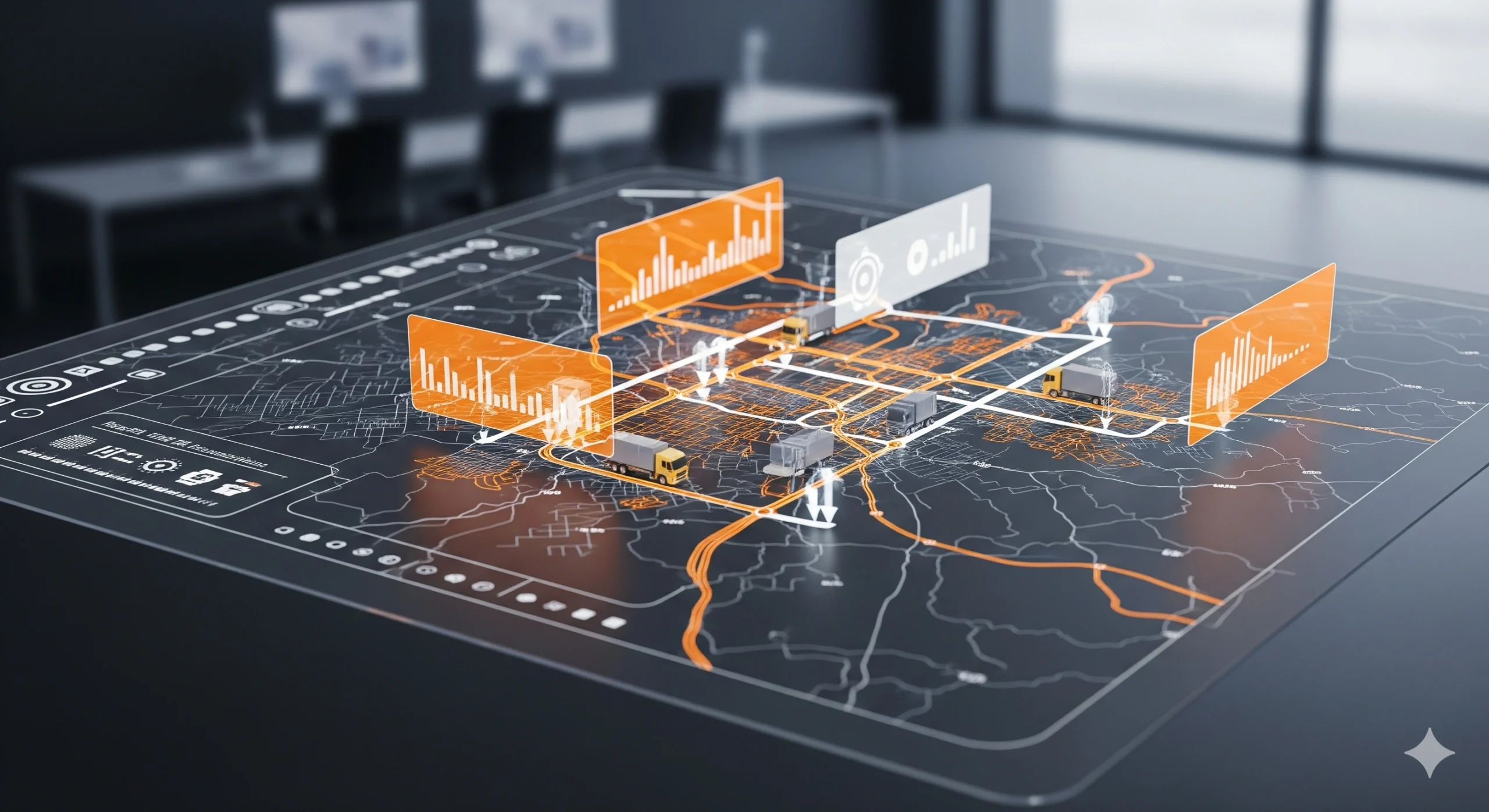
Key Areas Where AI Helps:
- Route Optimization: Suggests the fastest, most fuel-efficient paths.
- Predictive Maintenance: Detects potential vehicle issues before breakdowns occur.
- Driver Safety Monitoring: Analyzes driving patterns to reduce accidents.
- Cost Management: Tracks fuel consumption and operational expenses.
- Real-Time Decision-Making: Provides instant updates for logistics and dispatch teams.
Traditional Fleet Management vs AI-Powered Fleet Management
| Aspect | Traditional Fleet Management | AI-Powered Fleet Management |
| Route Planning | Manual route selection based on past experience. | Automated, data-driven route optimization using real-time traffic data. |
| Vehicle Maintenance | Reactive — fix vehicles after they break down. | Predictive — AI detects potential issues before failure. |
| Driver Monitoring | Manual checks and occasional reviews. | Continuous monitoring using AI and IoT sensors. |
| Decision-Making | Based on human judgment and limited data. | AI-driven insights with accurate forecasts. |
| Cost Efficiency | High operational costs due to inefficiencies. | Lower costs with optimized resources and automation. |
By switching to AI-driven systems, companies can achieve higher efficiency, lower costs, and a safer, more reliable fleet.
Benefits of AI in Fleet Management
1. Fleet Optimization AI for Better Performance
AI helps optimize every aspect of fleet operations. It considers factors like weather, fuel prices, traffic, and delivery windows to recommend the best strategies.
- Example: UPS uses AI-powered route optimization to save millions of gallons of fuel annually by reducing unnecessary stops and mileage.
To integrate these optimizations seamlessly, businesses often rely on custom web development services to connect AI systems with their existing platforms.
2. Lower Maintenance Costs with Predictive Maintenance
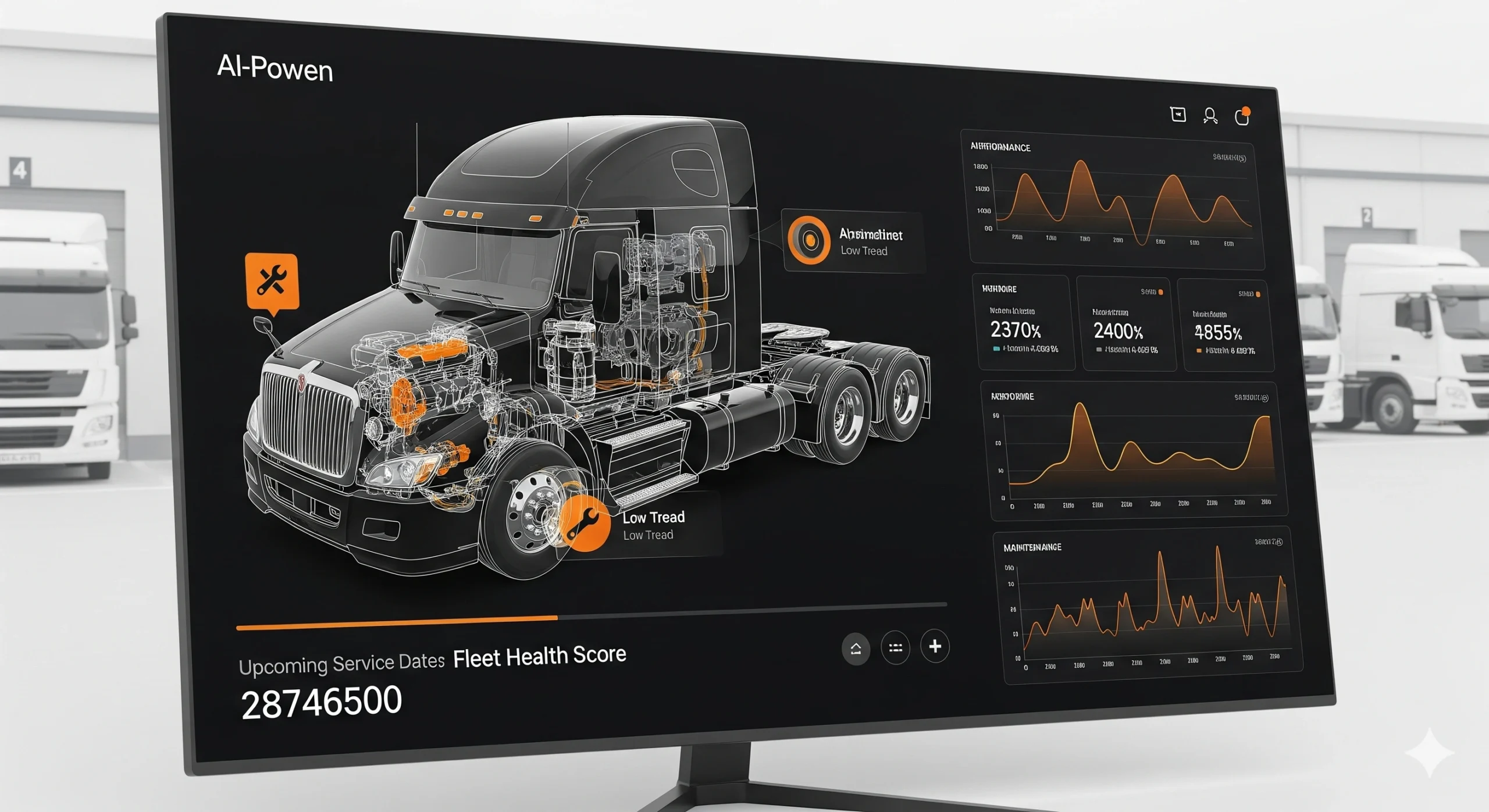
Instead of waiting for a vehicle to break down, AI predicts problems using sensor data and maintenance logs.
- Example: Predictive algorithms can alert managers when a truck’s brake system is showing early signs of wear, preventing costly accidents and downtime.
For deeper insights, companies can explore predictive maintenance technology provided by industry leaders like Geotab.
3. Enhanced Safety and Compliance
AI-powered systems monitor driver behavior, identifying risky habits such as harsh braking or speeding. This helps reduce accidents and ensures compliance with safety regulations.
4. Fuel Efficiency and Sustainability
Fleet optimization AI tracks fuel consumption patterns and suggests changes to minimize wastage. This not only reduces costs but also lowers the company’s carbon footprint.
5. Real-Time Visibility and Tracking
With GPS and AI integration, logistics teams can track shipments, vehicles, and drivers in real time. This improves transparency and customer satisfaction.
By integrating AI agents for logistics, companies can automate decision-making, streamline dispatching, and improve response times without increasing workload.
AI Use Cases in Logistics and Transportation
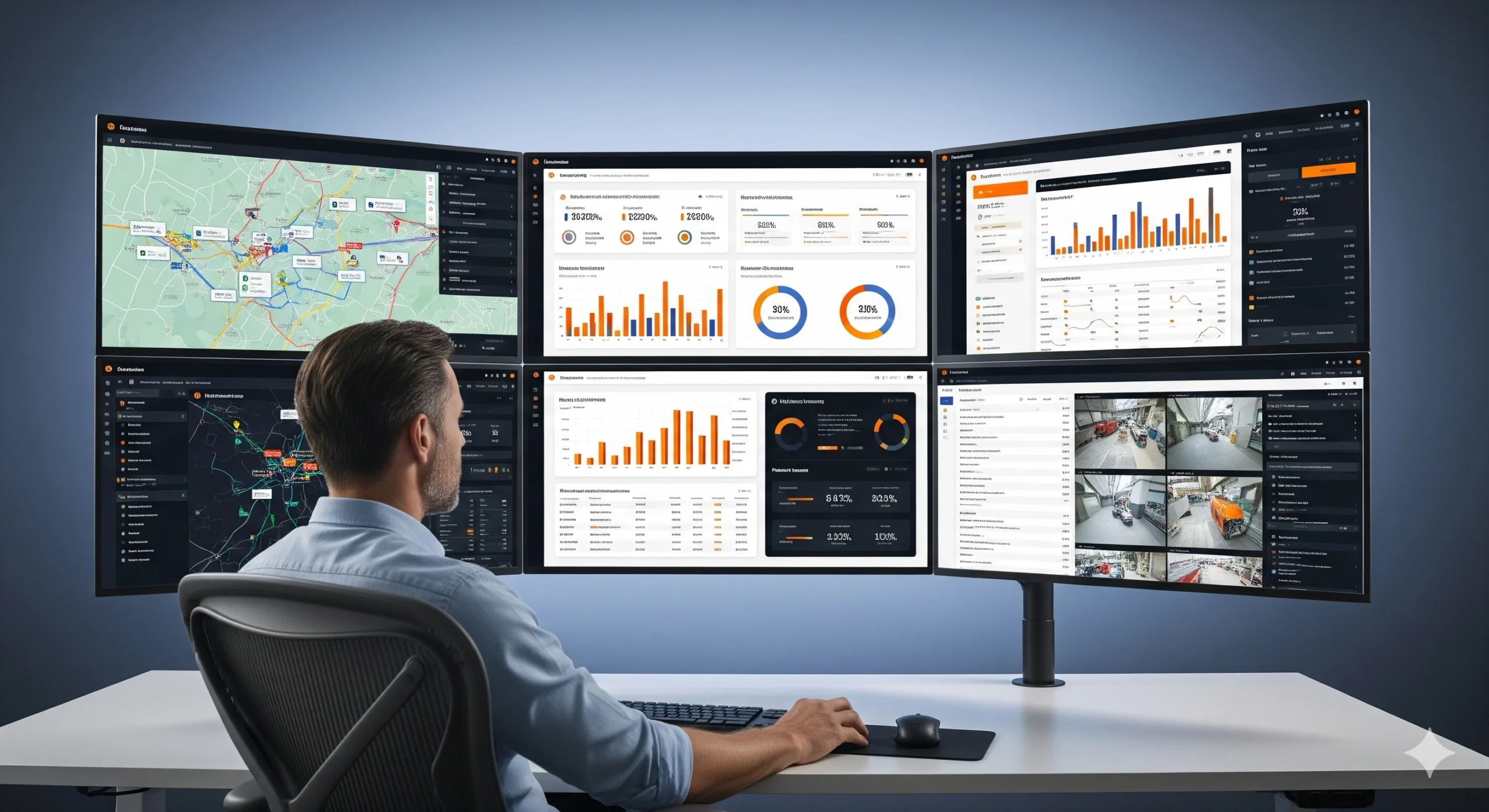
AI in logistics is not just a trend — it’s becoming essential for businesses in competitive markets.
According to AI in logistics trends, global logistics leaders are rapidly adopting AI to optimize delivery processes.
1. AI for Transportation Route Optimization
- Delivery companies like FedEx and DHL use AI to dynamically adjust routes based on real-time traffic and weather data.
- This ensures on-time deliveries while reducing fuel usage.
2. Smart Dispatching
AI algorithms match drivers with tasks based on proximity, availability, and skill, improving efficiency and reducing idle time.
3. Cargo Monitoring
AI sensors monitor the condition of sensitive cargo, like food or pharmaceuticals, ensuring products remain safe during transit.
4. Autonomous Fleet Management
Self-driving vehicles are becoming a reality.
AI plays a vital role in managing autonomous vehicle innovations and optimizing their performance while reducing the need for human intervention.
How to Implement AI in Fleet Management: Step-by-Step
If you want to bring AI into your fleet operations, follow these steps:
Step 1: Assess Your Current Fleet Challenges
Identify your biggest pain points, such as high fuel costs, frequent breakdowns, or inefficient routing.
Step 2: Collect and Centralize Data
Gather data from GPS trackers, telematics, and maintenance records. AI works best with clean, structured data.
Step 3: Choose the Right AI Tools
When selecting software, ensure it includes features like predictive maintenance and real-time route optimization.
Many businesses also require mobile app development solutions to make these tools accessible for on-the-go fleet managers.
Step 4: Integrate AI with Existing Systems
Connect your AI tools with current logistics and transportation platforms for seamless operations.
Step 5: Train Your Team
Educate drivers and managers on how to use AI insights effectively.
Step 6: Monitor and Optimize Continuously
AI systems improve over time as they process more data. Regularly review performance reports and make adjustments.
Best AI Tools for Fleet Management
Here are some popular AI-powered fleet management tools:
- Samsara: Offers real-time GPS tracking and AI-driven safety monitoring.
- Geotab: Focuses on fleet optimization and predictive analytics.
- Fleetio: Great for small and medium businesses looking for AI-based automation.
- Lytx: Specializes in driver safety and compliance monitoring.
FAQ: AI in Fleet Management
How does AI help in fleet management?
AI analyzes real-time and historical data to optimize routing, forecast maintenance, monitor driver behavior, and reduce operational costs. It turns raw telematics and sensor data into actionable recommendations.
Is AI expensive to implement for small businesses?
Not necessarily. Many platforms offer modular pricing and scalable plans so small fleets can adopt core features first and expand later.
What industries benefit most from AI in logistics?
Industries like eCommerce businesses, retail, manufacturing, food delivery, and transportation services benefit greatly from AI-driven logistics.
Industries like e-commerce, retail, manufacturing, food delivery, and transportation services benefit greatly from AI-driven logistics.
Can AI completely replace human fleet managers?
No. AI augments decision-making and automates repetitive tasks, but human oversight remains essential for strategy, complex judgement calls, and relationship management.
The Future of AI in Fleet Management
Machine learning, improved sensors, and autonomous vehicles will continue to shape logistics. Fleets that adopt AI now will likely reduce costs, improve service quality, and hit sustainability targets sooner.
Ready to Transform Your Fleet?
If you’re ready to integrate AI into your fleet operations, VirtueNetz can help design and implement the right technology stack for your business.
 ?>
?>
 ?>
?>
 ?>
?>
 ?>
?>
 ?>
?>